Change Management's New Role: Scaling AI & New Tech
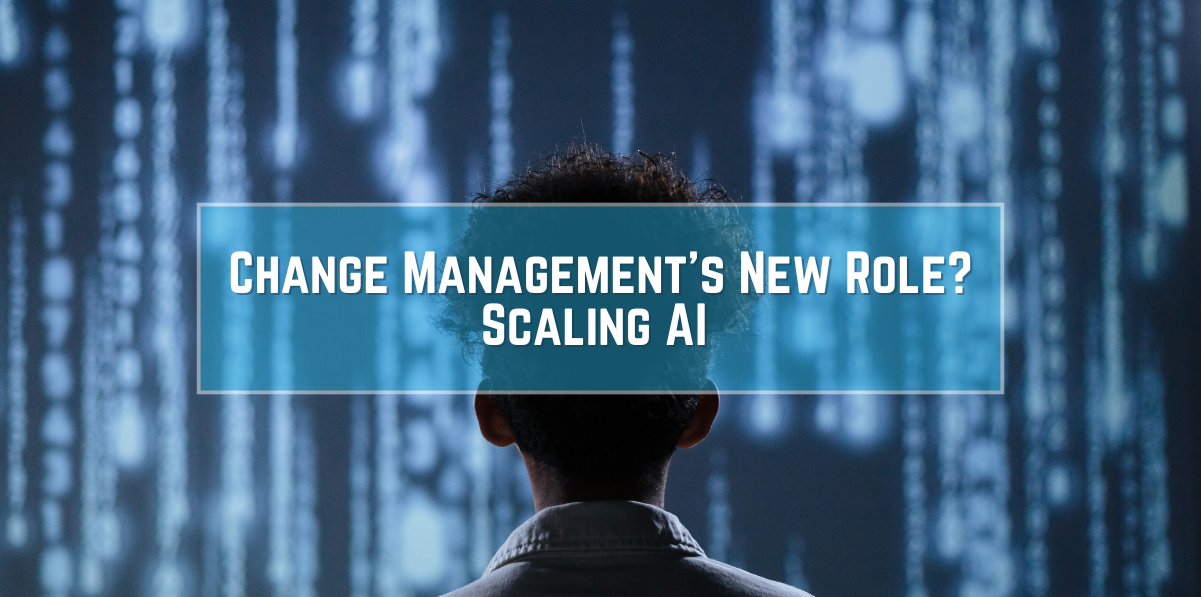
The future of change management is bigger than adoption! For years, change management has been framed as the discipline that helps employees adopt new technology and processes. While that holds true and it still matters, AI is changing our job description.
Many organizations are stuck in large-language-model pilots, moving sluggishly towards more autonomous AI tools and agents. As they move along the AI maturity curve the challenge for change practitioners and leaders isn’t “how do we get people to use this?” Our challenge has evolved into “how do we help businesses govern risk, redesign work, and demonstrate value?”

McKinsey's 2026 AI Trust Maturity survey shows us there’s a major gap: AI adoption is racing ahead, but governance and trust in AI lag. Only a minority of organizations (about 30%) reach strategy and governance maturity levels. The biggest barriers to scaling? AI security, risk, and employee training gaps. Those gaps represent an opportunity to move change management from "getting people to use new tech" to orchestrating AI maturity and scaling frontier tech across organizations.
Change Management Is No Longer Just About Readiness
Traditional change focuses on communications, training, preparation, and sustainment. Those things still matter, but aren’t enough in the era of agentic AI. McKinsey’s report on reconfiguring change management work says “piloting gen AI is easy, but creating value is hard.”
That quote is a call to arms for change leaders. Why? Because it’s a reminder that AI success isn’t measured by how many employees try using a new chatbot at go-live. Instead, success is measured by whether employees truly work differently, better, or faster.
Our work and strategies must expand in three main areas:
1. Driving Value, Not Just Adoption
The strongest AI transformations have a “North Star” focused on AI outcomes, not just technology. In other words, our work should center less on system-focused training and merely adding AI to existing work. The goal is to identify outcomes that reconfigure daily work so humans and AI can reach new heights together.
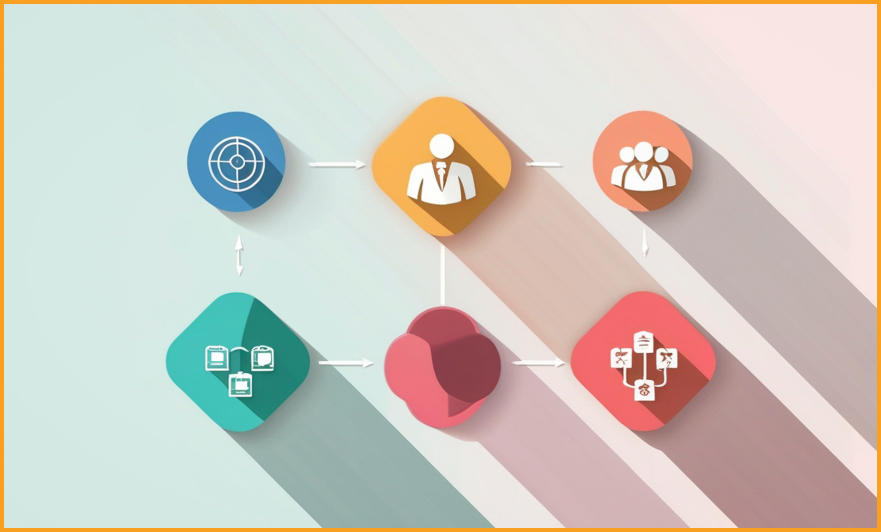
This is a mindset shift from system-focused training to asking:
- What work should change first?
- What value are we trying to unlock?
- What behaviors, jobs, and workflows need to evolve?
2. Building AI Governance That Sticks
We’re not just talking about the policy on paper. AI governance includes putting new behaviors into practice.
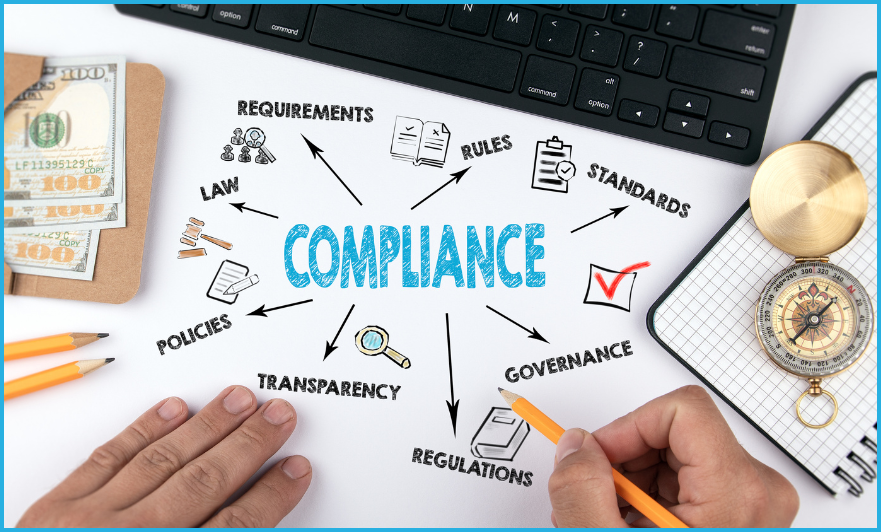
If security and trust block AI from scaling, change leaders can help by:
- Translating AI policy into plain language.
- Showing people what safe AI data-use looks like in their daily role.
- Reinforcing that governance is there to help adoption, not complicate it.
- Building trust through repetition, examples, and behavior modeling.
3. Protect and Redesign the Employee Experience
AI isn’t just changing how we work. It’s changing workplace identities, confidence, and emotional experiences. AI empowers some workers, but it also creates anxiety and uncertainty for others.
McKinsey studies found that 48% of employees need training to understand AI and adopt it more. Employees need to become active participants, experimenting and co-creating strategies rather than passively receiving new technology mandates. It is not enough to say, “AI will make your job faster or easier.”

Employees need to understand:
- What will change in my day-to-day work?
- What will stay human?
- What skills should I build next?
The Future of Change Management is Bigger than Adoption
Change management isn't just about adoption support anymore. It's foundational to scaling AI and emerging technology across organizations. Not because change practitioners are the AI experts in the room, but because we connect technology to the people and outcomes that propel organizations along the AI maturity curve. The future of change management is not narrower because of AI. It’s broader, more strategic, and more valuable.
Need a change approach that flexes with every wave of new AI and tech? Click here: Let’s talk change!
Sources:
McKinsey: 2026 AI Trust Maturity Survey
McKinsey: “Reconfiguring work: Change management in the age of gen AI.”